Shimla – The Queen of Hills
Shimla offers much more than charming colonial buildings against a backdrop of the magnificent snow-capped Himalayas
Shimla offers much more than charming colonial buildings against a backdrop of the magnificent snow-capped Himalayas. Much more than the dozens of Bollywood songs set on Mall Road or its oldest boarding schools. The upper reaches around the Shimla region offer skating on natural ice as well as hosts the MTB Himalaya (South East Asia’s biggest mountain biking race). Shimla also boasts ownership of the 16th century “Arya Astha Sahasrikas Prajna Paramita” Tibetan script (at the quaint Maria Brothers antique booksellers) and the Jakhu Temple Shrine with Lord Hanuman’s footprints.
Originally part of the Kingdom of Nepal (before it was declared the British Summer Capital of India), pleasant summers and snow-covered winters make Shimla a favorite weekend getaway with tourists all the year around. Expect a tattoo artist around every corner, but expect no food after midnight. Legendary ghost stories (Chudail Baudi, for single men whose cars slow down for the lady in the white sari) and fantastic cultural heritage make this visit all the more memorable. Travel your way up that UNESCO heritage railway route to Shimla for sights and sounds like never before.
Places to visit in Shimla
1. Heritage Walk through Shimla
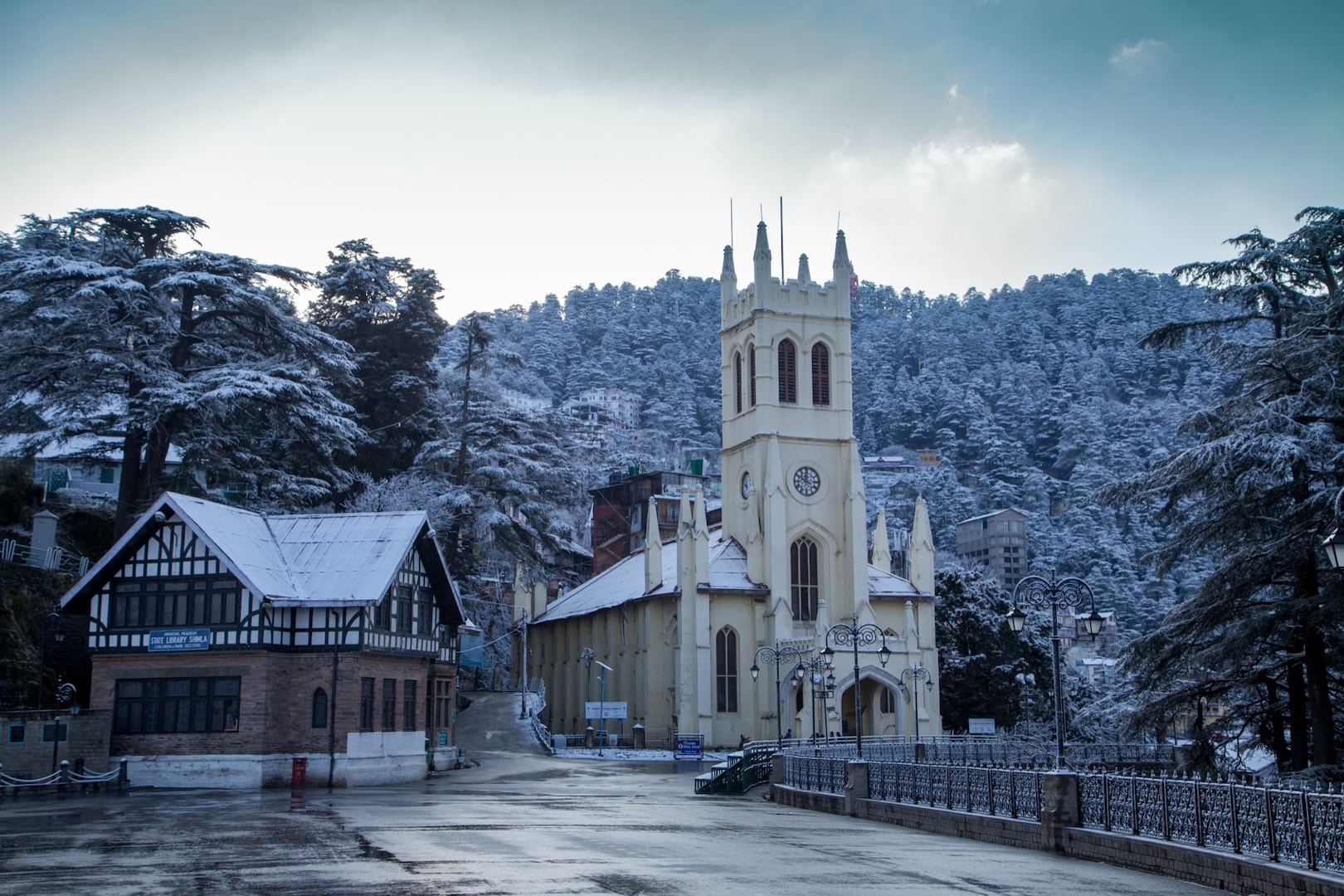
Shimla offers much more than charming colonial buildings against a backdrop of the magnificent snow-capped Himalayas. Much more than the dozens of Bollywood songs set on Mall Road or its oldest boarding schools. The upper reaches around the Shimla region offer skating on natural ice as well as hosts the MTB Himalaya (South East Asia’s biggest mountain biking race). Shimla also boasts ownership of the 16th century “Arya Astha Sahasrikas Prajna Paramita” Tibetan script (at the quaint Maria Brothers antique booksellers) and the Jakhu Temple Shrine with Lord Hanuman’s footprints.
Originally part of the Kingdom of Nepal (before it was declared the British Summer Capital of India), pleasant summers and snow-covered winters make Shimla a favorite weekend getaway with tourists all the year around. Expect a tattoo artist around every corner, but expect no food after midnight. Legendary ghost stories (Chudail Baudi, for single men whose cars slow down for the lady in the white sari) and fantastic cultural heritage make this visit all the more memorable. Travel your way up that UNESCO heritage railway route to Shimla for sights and sounds like never before.
Extended Planning Notes for Indian Travelers
This supplement deepens practical context for readers working through “Shimla – The Queen of Hills” with Shimla on the itinerary. Use it alongside the main sections above—layer dates, budgets, and health notes that match your household, not a generic checklist.
1. Seasonality and demand cycles. Peak travel windows for Shimla often overlap with Indian school vacations and December holidays—prices spike and refundable inventory vanishes early. Shoulder months can trim costs but introduce weather trade-offs; verify micro-climate data instead of relying on generic “best time” lists. Major festivals may close museums or inflate hotel minimum stays, so sync your wish list with official event calendars before locking payments.
2. Budgeting without hidden shocks. Align the ideas in “Shimla – The Queen of Hills” with line-item budgets: split unavoidable costs—international flights, visas, cruise or park fees—from optional upgrades like private transfers. Ask whether quotes bundle taxes and service charges. Small percentage differences multiply across week-long itineraries, especially when forex moves between quote day and departure week.
3. Ground movement and jet lag. Route airport pickups through licensed operators when luggage or language barriers matter; confirm terminal numbers because multi-terminal hubs punish vague meeting points. After long hauls into Shimla, schedule light activities on day one so sleep debt does not compromise safety on boats, cliffs, or motorbike hires.
4. Food safety and dietary clarity. Busy stalls often indicate fresh turnover. Repeat vegetarian or allergy needs because sauces can hide fish sauce, shrimp paste, or nuts. Carry sealed snacks for remote stretches where options shrink unexpectedly—kids especially appreciate predictable backups.
5. Documents, insurance, backups. Store PDFs of passports, visas, bookings, and travel insurance offline on two devices. Share an abridged itinerary with family including local emergency numbers. Photograph checked bags—airlines resolve claims faster with visual proof when tags misprint during tight connections touching Shimla.
6. Ethical choices on the ground. Prefer animal experiences with transparent welfare standards, pay fair tips when service norms expect them, and ask people before portraits in markets or villages. Heavy-footprint drones near heritage districts may break local rules—check permits rather than assuming global norms.
7. Health preparedness. Travel clinics advise vaccines or malaria prophylaxis per itinerary—not every traveler needs the same set. Pack prescriptions in original packaging with doctor notes. Carry motion-sickness relief before speedboats or mountain switchbacks, not after symptoms spike.
8. Gear that survives humidity. Quick-dry fabrics, compact rain shells, and breathable shoes outperform stiff sneakers on cobblestones and beaches near Shimla. Power strips help when outlets hide behind hotel furniture; portable batteries matter when shooting sunrise itineraries.
9. Money and connectivity. Split cards across bags; notify banks of travel dates to reduce freezes. Offline maps and downloaded translations rescue taxi negotiations when data stalls. QR payments spread rapidly—still keep modest cash for vendors without terminals.
10. Insurance literacy. Read exclusions for trekking heights, diving depths, or alcohol-related incidents before adrenaline bookings. Missed-connection riders matter when domestic hops hinge on weather-prone ferries or trains tied to your Shimla segment.
11. Families and mixed pacing. Agree on non-negotiable sights versus optional add-ons before deposits bind everyone. Teens may crave autonomy blocks; elders may prefer shorter walks and midday rests—schedule accordingly so resentment does not surface mid-trip.
12. Sustainable pacing. Leave whitespace in the itinerary: unscheduled hours often yield the conversations and neighborhood finds that define a trip more than trophy photos. Carry reusable bottles when filtration stations exist; refuse single-use plastics when practical.
13. Shopping and bargaining. Compare prices across three vendors when buying handicrafts; understand return policies for tailoring or jewelry. Customs rules on wood, shells, seeds, or religious artifacts deserve advance research to avoid confiscation grief at home borders.
14. Photography etiquette. Tripods clog narrow lanes—shoot handheld or arrive early. Flash can disturb worshippers; silence phone notifications in temples and libraries. Respect “no photography” signage even when crowds ignore it—enforcement sometimes targets tourists selectively.
15. Closing the planning loop. Re-read “Shimla – The Queen of Hills” after drafting budgets and timelines; cross out wish-list items that require unsustainable daily mileage. Maya Travels can help reconcile wish lists with realistic flight banks, visa rules, and on-ground partners so Shimla feels immersive instead of frantic.
16. Seasonality and demand cycles. Peak travel windows for Shimla often overlap with Indian school vacations and December holidays—prices spike and refundable inventory vanishes early. Shoulder months can trim costs but introduce weather trade-offs; verify micro-climate data instead of relying on generic “best time” lists. Major festivals may close museums or inflate hotel minimum stays, so sync your wish list with official event calendars before locking payments.
17. Budgeting without hidden shocks. Align the ideas in “Shimla – The Queen of Hills” with line-item budgets: split unavoidable costs—international flights, visas, cruise or park fees—from optional upgrades like private transfers. Ask whether quotes bundle taxes and service charges. Small percentage differences multiply across week-long itineraries, especially when forex moves between quote day and departure week.
18. Ground movement and jet lag. Route airport pickups through licensed operators when luggage or language barriers matter; confirm terminal numbers because multi-terminal hubs punish vague meeting points. After long hauls into Shimla, schedule light activities on day one so sleep debt does not compromise safety on boats, cliffs, or motorbike hires.
19. Food safety and dietary clarity. Busy stalls often indicate fresh turnover. Repeat vegetarian or allergy needs because sauces can hide fish sauce, shrimp paste, or nuts. Carry sealed snacks for remote stretches where options shrink unexpectedly—kids especially appreciate predictable backups.
20. Documents, insurance, backups. Store PDFs of passports, visas, bookings, and travel insurance offline on two devices. Share an abridged itinerary with family including local emergency numbers. Photograph checked bags—airlines resolve claims faster with visual proof when tags misprint during tight connections touching Shimla.
21. Ethical choices on the ground. Prefer animal experiences with transparent welfare standards, pay fair tips when service norms expect them, and ask people before portraits in markets or villages. Heavy-footprint drones near heritage districts may break local rules—check permits rather than assuming global norms.
22. Health preparedness. Travel clinics advise vaccines or malaria prophylaxis per itinerary—not every traveler needs the same set. Pack prescriptions in original packaging with doctor notes. Carry motion-sickness relief before speedboats or mountain switchbacks, not after symptoms spike.
23. Gear that survives humidity. Quick-dry fabrics, compact rain shells, and breathable shoes outperform stiff sneakers on cobblestones and beaches near Shimla. Power strips help when outlets hide behind hotel furniture; portable batteries matter when shooting sunrise itineraries.
24. Money and connectivity. Split cards across bags; notify banks of travel dates to reduce freezes. Offline maps and downloaded translations rescue taxi negotiations when data stalls. QR payments spread rapidly—still keep modest cash for vendors without terminals.
25. Insurance literacy. Read exclusions for trekking heights, diving depths, or alcohol-related incidents before adrenaline bookings. Missed-connection riders matter when domestic hops hinge on weather-prone ferries or trains tied to your Shimla segment.
26. Families and mixed pacing. Agree on non-negotiable sights versus optional add-ons before deposits bind everyone. Teens may crave autonomy blocks; elders may prefer shorter walks and midday rests—schedule accordingly so resentment does not surface mid-trip.
27. Sustainable pacing. Leave whitespace in the itinerary: unscheduled hours often yield the conversations and neighborhood finds that define a trip more than trophy photos. Carry reusable bottles when filtration stations exist; refuse single-use plastics when practical.
28. Shopping and bargaining. Compare prices across three vendors when buying handicrafts; understand return policies for tailoring or jewelry. Customs rules on wood, shells, seeds, or religious artifacts deserve advance research to avoid confiscation grief at home borders.
29. Photography etiquette. Tripods clog narrow lanes—shoot handheld or arrive early. Flash can disturb worshippers; silence phone notifications in temples and libraries. Respect “no photography” signage even when crowds ignore it—enforcement sometimes targets tourists selectively.
1. Seasonality and demand cycles. Peak travel windows for Shimla often overlap with Indian school vacations and December holidays—prices spike and refundable inventory vanishes early. Shoulder months can trim costs but introduce weather trade-offs; verify micro-climate data instead of relying on generic “best time” lists. Major festivals may close museums or inflate hotel minimum stays, so sync your wish list with official event calendars before locking payments.
2. Budgeting without hidden shocks. Align the ideas in “Shimla – The Queen of Hills” with line-item budgets: split unavoidable costs—international flights, visas, cruise or park fees—from optional upgrades like private transfers. Ask whether quotes bundle taxes and service charges. Small percentage differences multiply across week-long itineraries, especially when forex moves between quote day and departure week.
3. Ground movement and jet lag. Route airport pickups through licensed operators when luggage or language barriers matter; confirm terminal numbers because multi-terminal hubs punish vague meeting points. After long hauls into Shimla, schedule light activities on day one so sleep debt does not compromise safety on boats, cliffs, or motorbike hires.
4. Food safety and dietary clarity. Busy stalls often indicate fresh turnover. Repeat vegetarian or allergy needs because sauces can hide fish sauce, shrimp paste, or nuts. Carry sealed snacks for remote stretches where options shrink unexpectedly—kids especially appreciate predictable backups.
5. Documents, insurance, backups. Store PDFs of passports, visas, bookings, and travel insurance offline on two devices. Share an abridged itinerary with family including local emergency numbers. Photograph checked bags—airlines resolve claims faster with visual proof when tags misprint during tight connections touching Shimla.
6. Ethical choices on the ground. Prefer animal experiences with transparent welfare standards, pay fair tips when service norms expect them, and ask people before portraits in markets or villages. Heavy-footprint drones near heritage districts may break local rules—check permits rather than assuming global norms.
7. Health preparedness. Travel clinics advise vaccines or malaria prophylaxis per itinerary—not every traveler needs the same set. Pack prescriptions in original packaging with doctor notes. Carry motion-sickness relief before speedboats or mountain switchbacks, not after symptoms spike.
8. Gear that survives humidity. Quick-dry fabrics, compact rain shells, and breathable shoes outperform stiff sneakers on cobblestones and beaches near Shimla. Power strips help when outlets hide behind hotel furniture; portable batteries matter when shooting sunrise itineraries.
Related guides on Maya Travels
Browse more destination ideas from Maya Travels—perfect for stacking routes, comparing budgets, and planning multi-city trips from India.
- Best time to visit Kufri — November to March are the best months to visit Kufri when the snowfall is at its peak. However, summer months …
- Manali : 21 Places to see in Manali — Manali is a high-altitude Himalayan resort town in India’s northern Himachal Pradesh state. It has a reputatio…
- Places to Visit in Dubai — Dubai is a city and emirate in the United Arab Emirates known for luxury shopping, ultramodern architecture, a…
- Places to Visit in Maldives — Maldives, officially the Republic of Maldives, is a small archipelagic state in Indian Subcontinent situated i…
- Places to Visit in Thailand — Thailand is a Southeast Asian country. It's known for tropical beaches, opulent royal palaces, ancient ruins, …
See every article on our travel blog homepage, or explore curated packages on Destinations when you are ready to turn research into bookings.
