
Places to Visit in Thailand
Thailand is a Southeast Asian country. It's known for tropical beaches, opulent royal palaces, ancient ruins, and ornate temples displaying figures of Buddha. In Bangkok, the capital, an ultramodern cityscape rises next to quiet canalside communities and the iconic temples of Wat Arun, Wat Pho, and the Emerald Buddha Temple (Wat Phra Kaew). Nearby beach resorts include bustling Pattaya and fashionable Hua Hin.
Railay Beach

Krabi province is home to some of Thailand's most famous beach destinations–and Railay tops the list as one of the most stunning. Considered by many as one of the best beaches in the country, Railay delivers on promises of white sand, turquoise-blue water, and the feeling that you've found a slice of paradise even before your feet touch the sand.
Koh Phi Phi

The Phi Phi Islands are one of Thailand's most popular resort areas for a reason–the clear blue waters, the soft sand, and the breathtaking views that go on forever.
You can reach Phi Phi Don–the largest of the islands and the only one permanently inhabited–on a rented kayak or by hiring a small wooden boat to take you here.
The Grand Palace, Bangkok
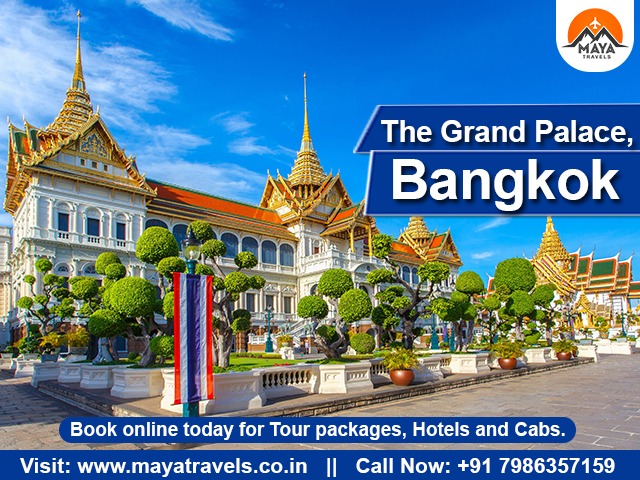
Even if your plans for Thailand mainly involve frolicking on a beach and eating as much Massaman curry and pad Thai as humanly possible, you'll probably spend at least a day or two in Bangkok. There are plenty of things to see and do in the capital, but the Grand Palace should definitely be at the top of your list. This is the number one sightseeing attraction in the city, and it's staggering in both historical significance and craftsmanship.
Pai
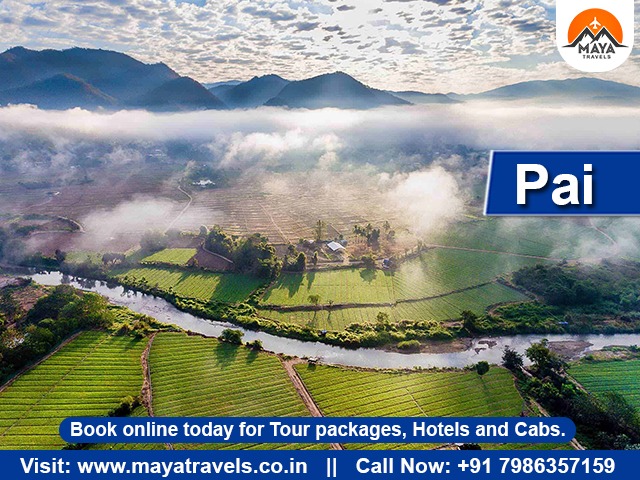
Thailand's reputation as a country of beautiful landscapes and friendly people is due largely to the world-renowned southern beaches. Because of this, most people don't realize that the vast north is also home to entirely different but equally breathtaking places to visit.
Northern Thailand, particularly the western region near the Burmese border, is marked by mountainous jungle terrain that is both rugged and beautiful. Pai, in Mae Hong Son province, is the perfect starting point from which to enjoy the country's natural beauty, as well as the famed Thai hospitality and cooking.
Khao Yai National Park

Khao Yai National Park is Thailand's oldest national park and still one of the most popular because of its large population of wild elephants. Covering an area of just under 2,000 square kilometers, this breathtaking park is home to rainforests, mountains, and grasslands. This variety of terrain means an equally rich fauna, with gibbons, jackals, and even bears calling the park home. Haew Suwat Waterfall, famous for a scene in Leonardo DiCaprio's The Beach movie, can be accessed on foot when hiking the park.
Sukhothai Old City
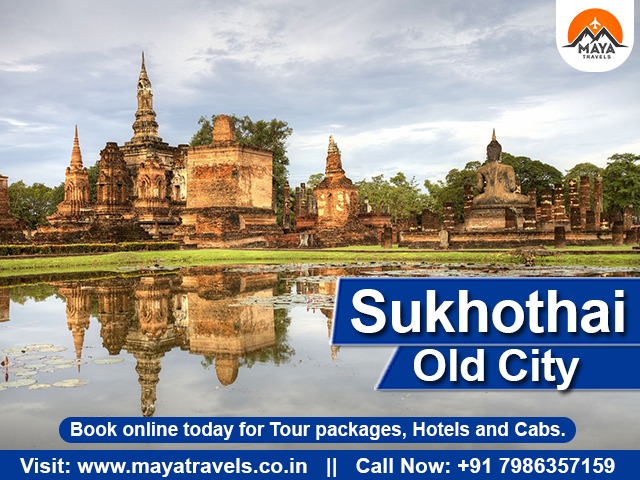
A favorite stop for history buffs and photography enthusiasts, Sukhothai offers many lovely photo ops at a smaller scale than Ayutthaya. The ruins of this old city still stand proud despite enduring centuries of battle and exposure to the elements. Sukhothai's Old City is a UNESCO World Heritage site, and much has been invested to restore and preserve one of Thailand's most significant historical sites.
Ayutthaya

Ayutthaya offers a magnificent peek into the glory of ancient Thailand, where visitors can wander the haunting but romantic ruins of the former capital.
Ayutthaya was once the most important city in Thailand, and the old palaces and temples stand as a testament to this. Over a hundred wats, chedis (Thai-style stupas), prangs, and thousands of Buddha statues are spread around the park. Some sights – like the temple that houses the 12-meter-long reclining Buddha and the tree roots embracing a Buddha's head – are particularly stunning and not to be missed.
Beaches of Koh Samui

Koh Samui island is the country's second-largest island and home to some of the most beautiful golden coastline you'll find in Southeast Asia. Each beach on Koh Samui offers something different: some are ideal for peaceful isolation; others are filled with activities, water sports, and big crowds.
The island's biggest and busiest beach is Chaweng, where you'll also find the best shopping, plenty of attractions, and some of the nicest restaurants. The turquoise blue waters and palm trees dancing in the ocean breeze might explain why some of the island's best resorts are located here.
Doi Suthep
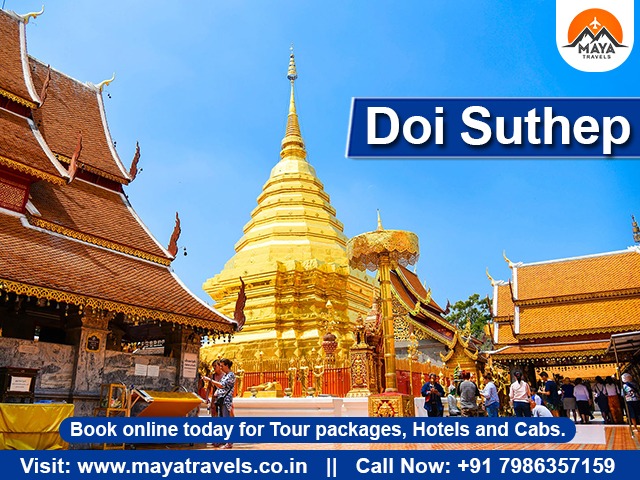
Perhaps the best-known wat in Chiang Mai sits atop Doi Suthep, a mountain overlooking Thailand's second-largest city. A favorite destination of devout Buddhist followers and travelers from all over the world, Doi Suthep is a marvel of intricate religious carvings – a visit here means seeing monks praying, witnessing worship rituals, and a chance to gaze out over the ever-growing sprawl of Chiang Mai city.
Just be sure to bring a bottle of water and your walking shoes – you'll have to climb a steep staircase to reach the top of the hill where the temple is. At the base of the stairs, vendors hawk everything from tasty local treats to goods handmade by villagers from the surrounding mountains. There's also a shop selling masks, elephant carvings, and home furnishings, so you can do some shopping while recovering from the trek up and down the stairs.
Climbing at Tonsai Beach

With its stunning limestone cliffs hugging sandy coastlines and turquoise waters, Thailand attracts plenty of climbers all year long – and while there are many destinations that offer stunning routes, Tonsai Beach has long been considered a climbers' paradise. One of the great things about climbing here is that you can just as easily climb solo or find a climbing partner or club once you arrive – and if you need a refresher lesson, that won't be a problem to find here either.
Kanchanaburi Bridge
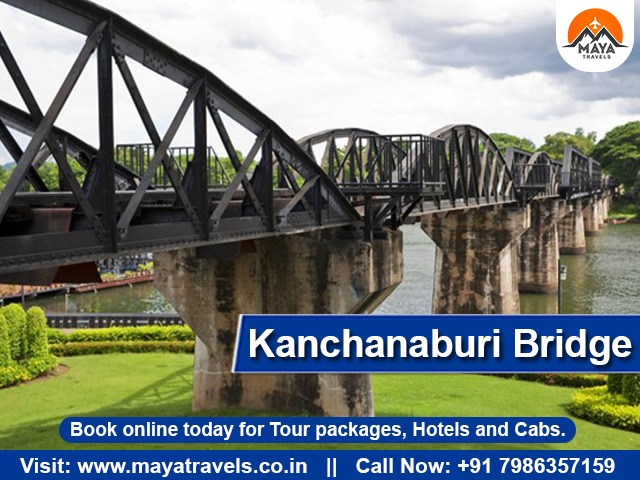
Better known to many as "the bridge over the River Kwai," the Kanchanaburi bridge is part of the Thai-Burma Railway that never came to be. During WWII, Japanese forces were intent on building a railway link between Thailand and Burma and used Allied prisoners of war (mostly British, Dutch, and Australian citizens) for forced labor. Over 12,000 Allied prisoners ended up dying during the one year the bridge was under construction – and reconstruction, like the bridge, was bombed and damaged more than once – leading to it being known as the "Death Railway."
Waterfalls at Erawan National Park

Erawan National Park has much to offer to visitors, including a number of caves; paths that cut through thick deciduous forests; and fauna that includes wild elephants, gibbons, and great hornbills. But it's the waterfalls here – and especially the seven-tiered Erawan Falls – that attract the bulk of the visitors.
The falls are named after the white elephant that travels with the Hindu god Indra because the tiers are said to slightly resemble the shape of an elephant's head.
Pattaya

Once a quiet fishing village, Pattaya is now the closest beach getaway for Bangkokians, less than two hours away. While most visitors come here to escape the buzz of the Thai capital and soak up some sun, there's much more to do in this beachfront town.
Hat Sai Kaew (Diamond Beach) and Koh Samet beach are good places to start your visit–they're full of colorful food stalls, beach umbrellas, and stunning beach resorts. Koh Larn (Coral island) is famous for its glass-bottom boats that offer amazing views of the coral reefs, while Koh Larn Island is the prime destination for active pursuits such as parasailing and windsurfing.
Hua Hin
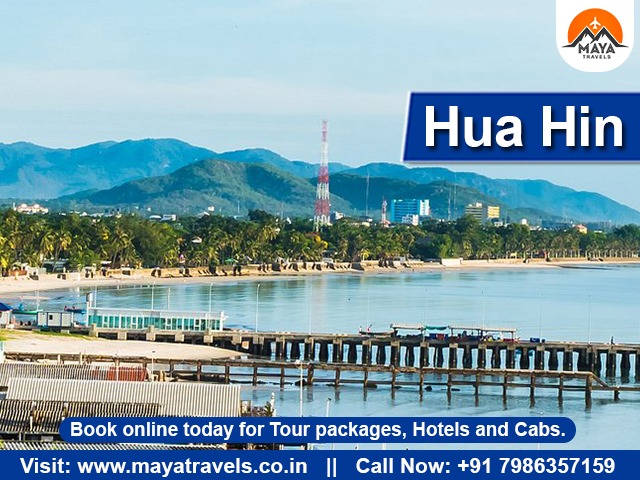
Once just a quiet town best known for being the king's summer retreat, Hua Hin has become a popular beach resort destination. Don't expect perfect turquoise waters or lively beach life here, though–this is more of a destination for those visiting with family or singles who want to sunbathe in peace, away from the crowds.
Aside from the central Hua Hin beach, you can try nearby Cham Am Beach or Khao Takiab beach, home to Khao Takiab temple and hundreds of wild macaques. Hua Hin is particularly popular in December and January when European tourists arrive here to escape their own freezing winter.
Chiang Rai

Sitting right on the border with Myanmar and Laos, the mountainous city of Chiang Rai is famous for its trekking in Lam Nam Kok National Park, with trails leading to stunning waterfalls such as the 70-meter-tall Khun Kon waterfall, lush forest, and hilltop tribe villages.
As with most Thai cities, temples are a huge attraction in Chiang Rai, with Wat Rong Khun (or White Temple) coming up at the top of the list. Wat Rong Khun is technically no longer a temple but a privately-owned compound redesigned and rebuilt by Chalermchai Kositpipat, one of Thailand's most famous contemporary visual artists. Another popular temple is Wat Tham Pla (also home to a cave and thousands of wild macaques), which can be reached by climbing a staircase flanked by the guardian Naga serpents.
Extended Planning Notes for Indian Travelers
This supplement deepens practical context for readers working through “Places to Visit in Thailand” with Thailand on the itinerary. Use it alongside the main sections above—layer dates, budgets, and health notes that match your household, not a generic checklist.
1. Seasonality and demand cycles. Peak travel windows for Thailand often overlap with Indian school vacations and December holidays—prices spike and refundable inventory vanishes early. Shoulder months can trim costs but introduce weather trade-offs; verify micro-climate data instead of relying on generic “best time” lists. Major festivals may close museums or inflate hotel minimum stays, so sync your wish list with official event calendars before locking payments.
2. Budgeting without hidden shocks. Align the ideas in “Places to Visit in Thailand” with line-item budgets: split unavoidable costs—international flights, visas, cruise or park fees—from optional upgrades like private transfers. Ask whether quotes bundle taxes and service charges. Small percentage differences multiply across week-long itineraries, especially when forex moves between quote day and departure week.
3. Ground movement and jet lag. Route airport pickups through licensed operators when luggage or language barriers matter; confirm terminal numbers because multi-terminal hubs punish vague meeting points. After long hauls into Thailand, schedule light activities on day one so sleep debt does not compromise safety on boats, cliffs, or motorbike hires.
4. Food safety and dietary clarity. Busy stalls often indicate fresh turnover. Repeat vegetarian or allergy needs because sauces can hide fish sauce, shrimp paste, or nuts. Carry sealed snacks for remote stretches where options shrink unexpectedly—kids especially appreciate predictable backups.
5. Documents, insurance, backups. Store PDFs of passports, visas, bookings, and travel insurance offline on two devices. Share an abridged itinerary with family including local emergency numbers. Photograph checked bags—airlines resolve claims faster with visual proof when tags misprint during tight connections touching Thailand.
6. Ethical choices on the ground. Prefer animal experiences with transparent welfare standards, pay fair tips when service norms expect them, and ask people before portraits in markets or villages. Heavy-footprint drones near heritage districts may break local rules—check permits rather than assuming global norms.
7. Health preparedness. Travel clinics advise vaccines or malaria prophylaxis per itinerary—not every traveler needs the same set. Pack prescriptions in original packaging with doctor notes. Carry motion-sickness relief before speedboats or mountain switchbacks, not after symptoms spike.
8. Gear that survives humidity. Quick-dry fabrics, compact rain shells, and breathable shoes outperform stiff sneakers on cobblestones and beaches near Thailand. Power strips help when outlets hide behind hotel furniture; portable batteries matter when shooting sunrise itineraries.
9. Money and connectivity. Split cards across bags; notify banks of travel dates to reduce freezes. Offline maps and downloaded translations rescue taxi negotiations when data stalls. QR payments spread rapidly—still keep modest cash for vendors without terminals.
10. Insurance literacy. Read exclusions for trekking heights, diving depths, or alcohol-related incidents before adrenaline bookings. Missed-connection riders matter when domestic hops hinge on weather-prone ferries or trains tied to your Thailand segment.
11. Families and mixed pacing. Agree on non-negotiable sights versus optional add-ons before deposits bind everyone. Teens may crave autonomy blocks; elders may prefer shorter walks and midday rests—schedule accordingly so resentment does not surface mid-trip.
12. Sustainable pacing. Leave whitespace in the itinerary: unscheduled hours often yield the conversations and neighborhood finds that define a trip more than trophy photos. Carry reusable bottles when filtration stations exist; refuse single-use plastics when practical.
13. Shopping and bargaining. Compare prices across three vendors when buying handicrafts; understand return policies for tailoring or jewelry. Customs rules on wood, shells, seeds, or religious artifacts deserve advance research to avoid confiscation grief at home borders.
14. Photography etiquette. Tripods clog narrow lanes—shoot handheld or arrive early. Flash can disturb worshippers; silence phone notifications in temples and libraries. Respect “no photography” signage even when crowds ignore it—enforcement sometimes targets tourists selectively.
15. Closing the planning loop. Re-read “Places to Visit in Thailand” after drafting budgets and timelines; cross out wish-list items that require unsustainable daily mileage. Maya Travels can help reconcile wish lists with realistic flight banks, visa rules, and on-ground partners so Thailand feels immersive instead of frantic.
16. Seasonality and demand cycles. Peak travel windows for Thailand often overlap with Indian school vacations and December holidays—prices spike and refundable inventory vanishes early. Shoulder months can trim costs but introduce weather trade-offs; verify micro-climate data instead of relying on generic “best time” lists. Major festivals may close museums or inflate hotel minimum stays, so sync your wish list with official event calendars before locking payments.
17. Budgeting without hidden shocks. Align the ideas in “Places to Visit in Thailand” with line-item budgets: split unavoidable costs—international flights, visas, cruise or park fees—from optional upgrades like private transfers. Ask whether quotes bundle taxes and service charges. Small percentage differences multiply across week-long itineraries, especially when forex moves between quote day and departure week.
Related guides on Maya Travels
Browse more destination ideas from Maya Travels—perfect for stacking routes, comparing budgets, and planning multi-city trips from India.
- Best places to visit in Thailand in June — Thailand is a beautiful country with diverse attractions that cater to various interests. June is considered p…
- The Ultimate Guide to Thailand for First-Time Visitors — Thailand is a vibrant and enchanting destination that offers a perfect blend of stunning landscapes, rich cult…
- Places to visit in Pattaya — Pattaya is a popular beach destination in Thailand known for its vibrant nightlife, beautiful beaches, water s…
- Traveling in Thailand — Thailand is a country that has been popular with tourists for decades. It has everything a traveler could want…
- What to do in Thailand — Thailand is a fascinating country that offers an abundance of experiences and activities for visitors to enjoy…
See every article on our travel blog homepage, or explore curated packages on Destinations when you are ready to turn research into bookings.
