Manali : 21 Places to see in Manali
Manali is a high-altitude Himalayan resort town in India’s northern Himachal Pradesh state. It has a reputation as a backpacking center and honeymoon destination. Set on the Beas River, it’s a gateway for skiing in the Solang Valley and trekking in Parvati Valley. It's also a jumping-off point for paragliding, rafting and mountaineering in the Pir Panjal mountains, home to 4,000m-high Rohtang Pass.
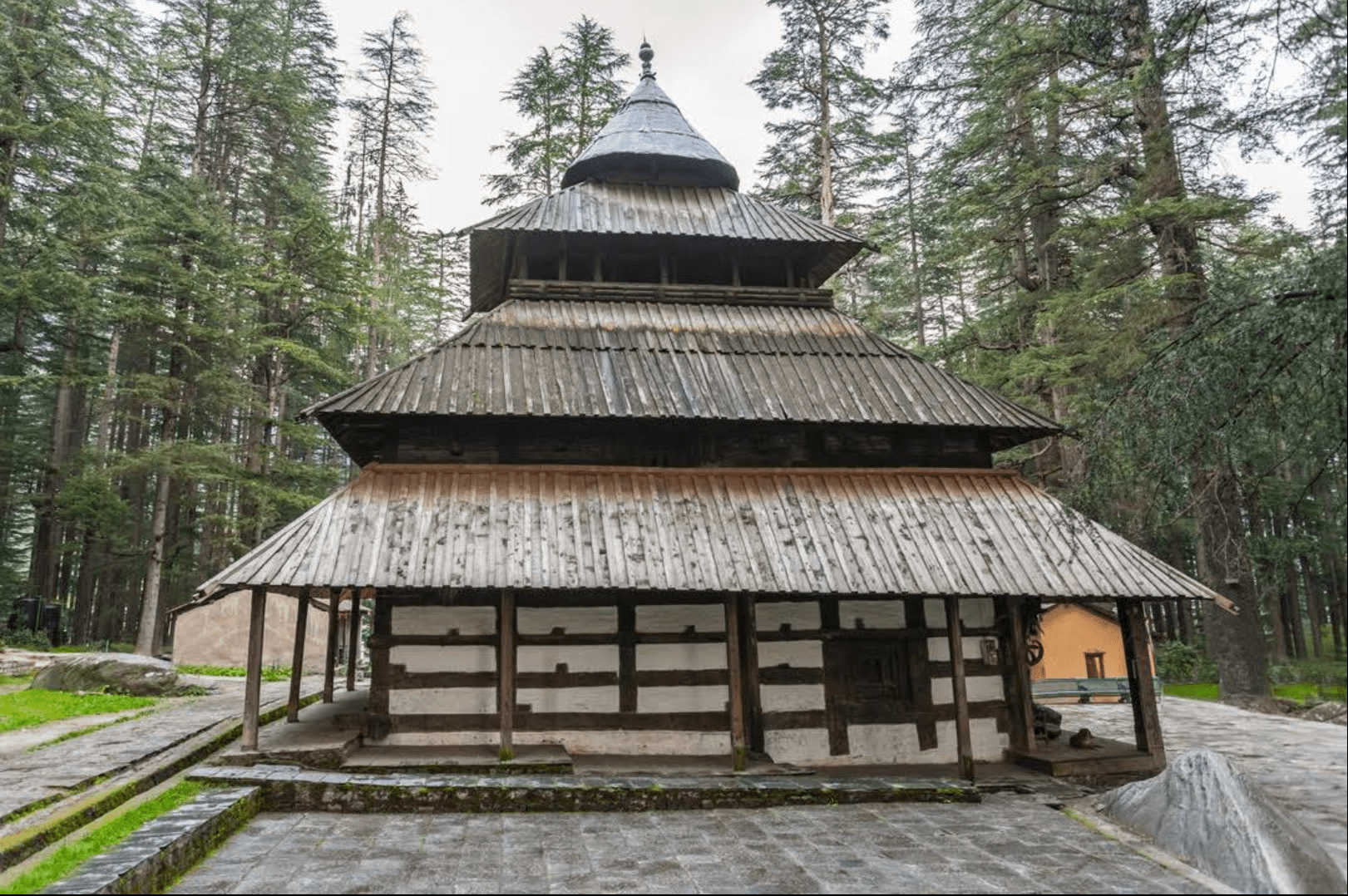
1. Hadimba Temple, Manali : Hidimba Devi Temple, locally known as Dhungari Temple, also known variously as the Hadimba Temple, is located in Manāli, a hill station in the State of Himāchal Pradesh in north India. It is an ancient cave temple dedicated to Hidimbi Devi, wife of Bhima, a figure in the Indian epic Mahābhārata.
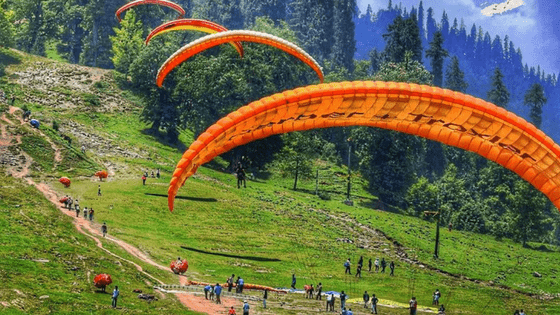
2. Solang Valley: Solang Valley derives its name from combination of words Solang and Nallah. It is a side valley at the top of the Kullu Valley in Himachal Pradesh, India 14 km northwest of the resort town Manali on the way to Rohtang Pass, and is known for its summer and winter sport conditions.
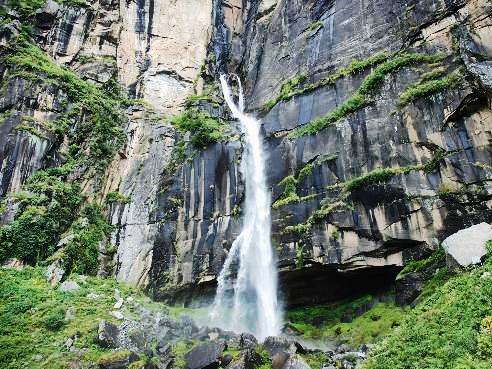
3. Jogini Waterfalls : This picturesque waterfall in a remote, tranquil setting has shrines below it & is sacred to locals.
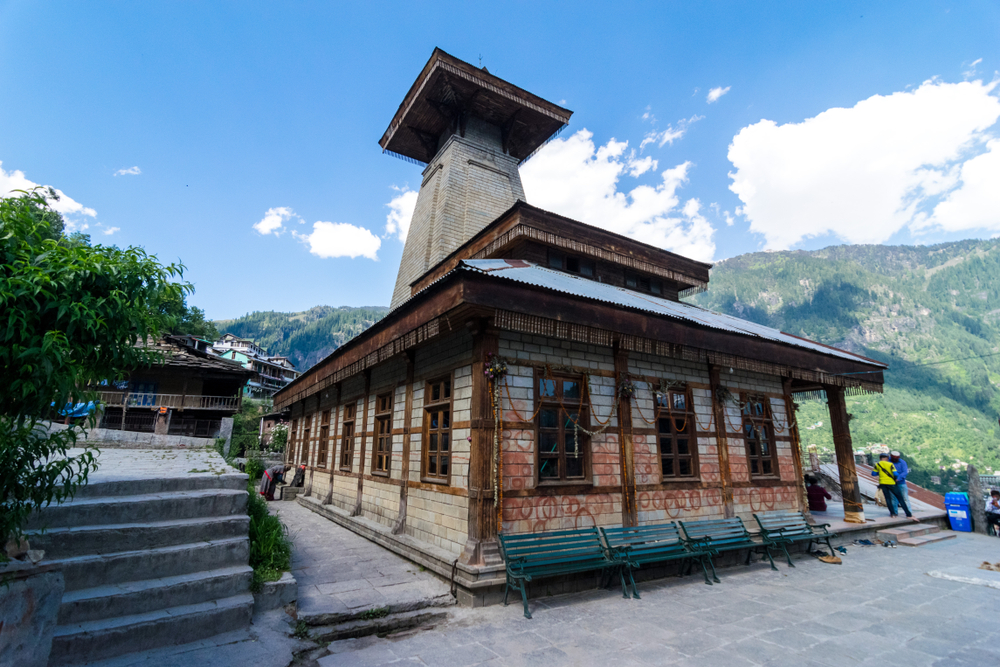
4. Manu Temple : Manu Temple is an old temple located at a distance of 3 km from the main market of Manali. The entire shrine of Manu Temple is dedicated to the Manu – the Indian Sage, who was acknowledged to be the creator of this world. In fact, some legends rely heavily on the fact that the present-day temple is the exact place where sage Manu would meditate regularly.
5. The Manali Gompa : Built in 1960 by Tibetan refugees and also known as the "Gadhan Thekchhokling Gompa," this renowned Buddhist monastery is one of the finest attractions in Manali. This prominent monastery is small in size, but the spiritual energy exuded by it is boundless and which is why countless tourists from all corners of India visit this divine place to seek blessings. The monastery houses a majestic façade that is complemented with a pagoda-style yellow roof and inside there is a large image of Buddha and exquisite murals that demonstrate Buddha's philosophy of non-violence. Within the complex, there are small shops that sell unique Tibetan handicrafts and carpets.
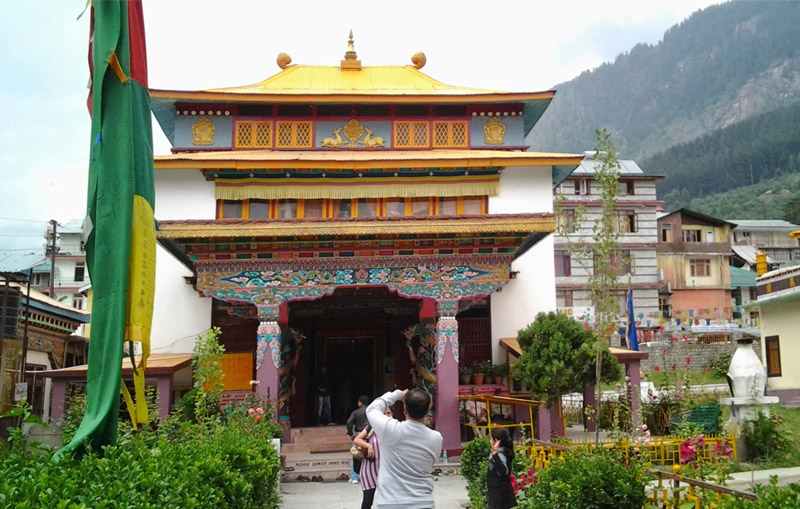
6. Bhrigu Lake : Bhrigu Lake or Brighu Lake is a lake located at an elevation of around 4,300 metres in Kullu district, Himachal Pradesh, India. It is located to the east of Rohtang Pass and is around 6 kilometres from Gulaba village.
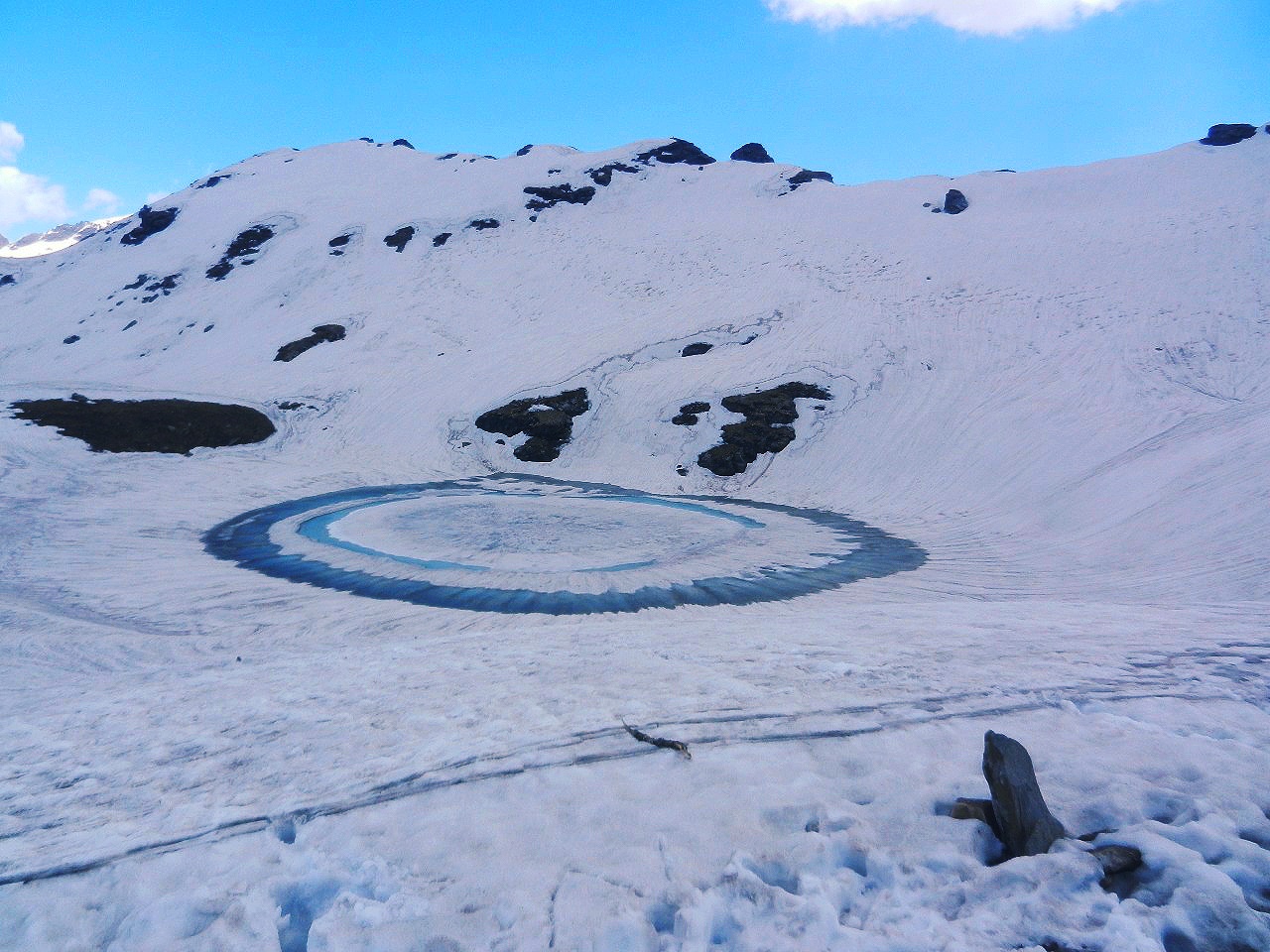
7. Hampta / Hamta Pass : Hamta Pass sits at an altitude of 4270 m on the Pir Panjal range in the Himalayas. It is a small corridor between Lahaul's Chandra Valley and the Kullu valley of Himachal Pradesh, India. The nomenclature of the trek was derived from Hamta Village, located below Sethan village, as part of the trek route.
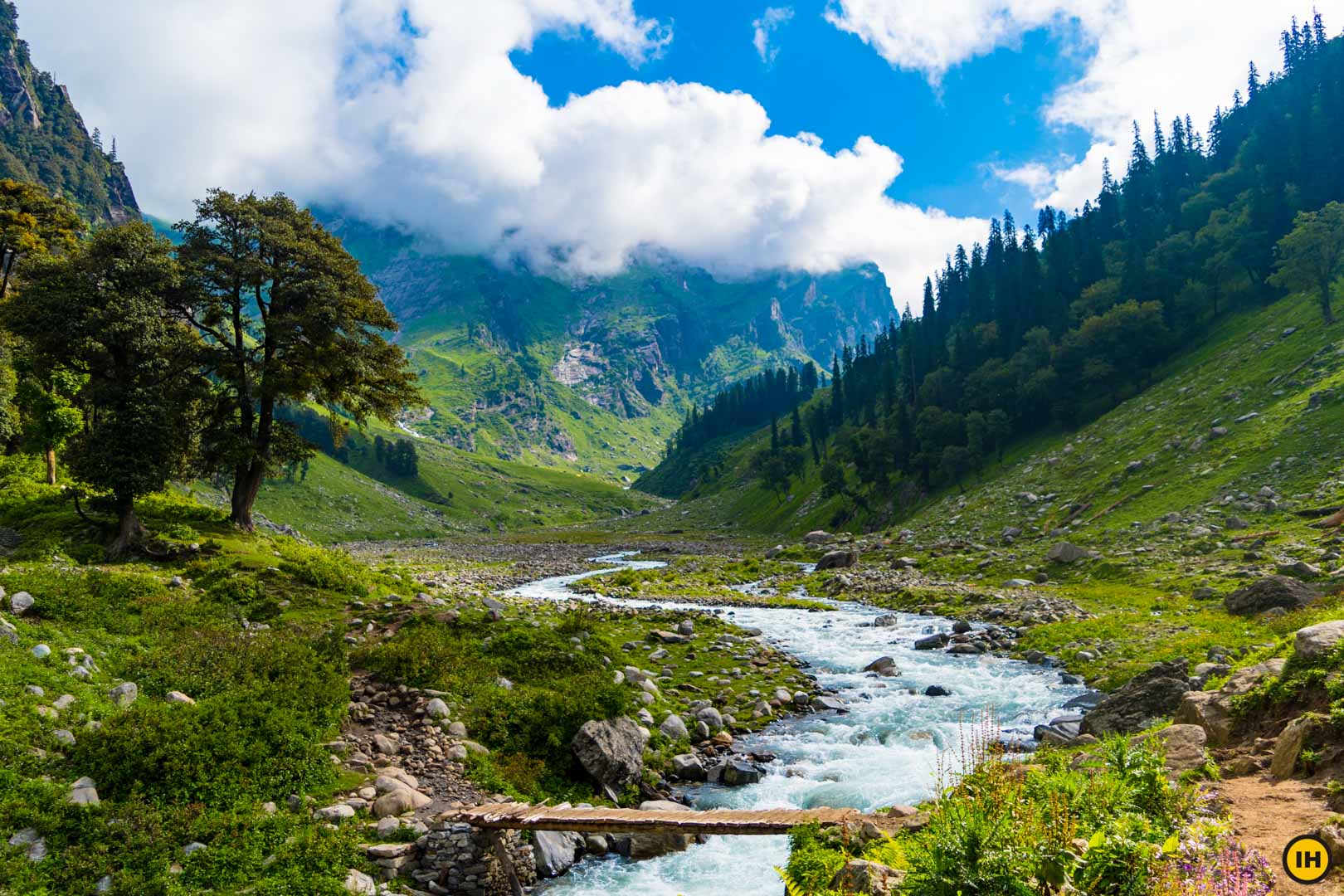
8. Nehru Kund : This stunning kund or water resource is located at the Manali keylogn road. it is named after the primeminsiter of India. Jawaharlal Nehru who is said to have had water from the natural spring when he used to stay in Manali. The water in it is so tasty and is so clear . It is a photographic spot and a famous tourist spot.
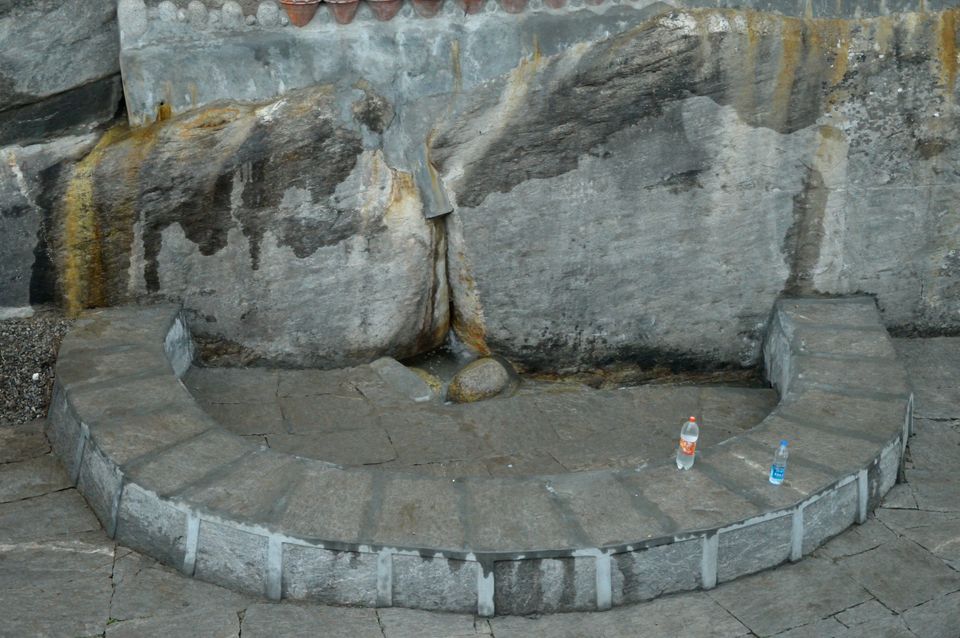
9. Arjun Gufa : At a distance of 21 km from Manali Bus Stand, 23 km from Kullu and 10 km from Prini Village, Arjun Gufa (Arjuna's Cave) is located towards Naggar and is based on the left bank of Beas river. The nearest village to Arjun Gufa is Prini and this village is largely known for its natural beauty. It is very close to Naggar Castle.
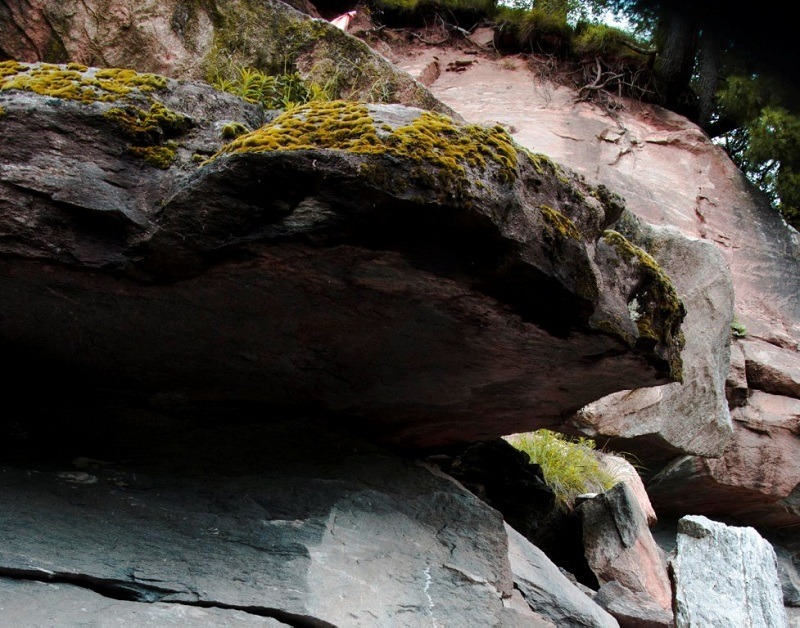
10. Van Vihar : At a distance of 750 m from Manali Bus Stand, The Van Vihar is a municipal garden situated in front of the Tibetan market on the Mall Road, Manali. The Van Vihar Park is beautifully adorned by deodar trees and is a perfect place to spend memorable time with loved ones. A number of locals and tourists visit the park to relax and get the fresh breeze of the Deodar trees.
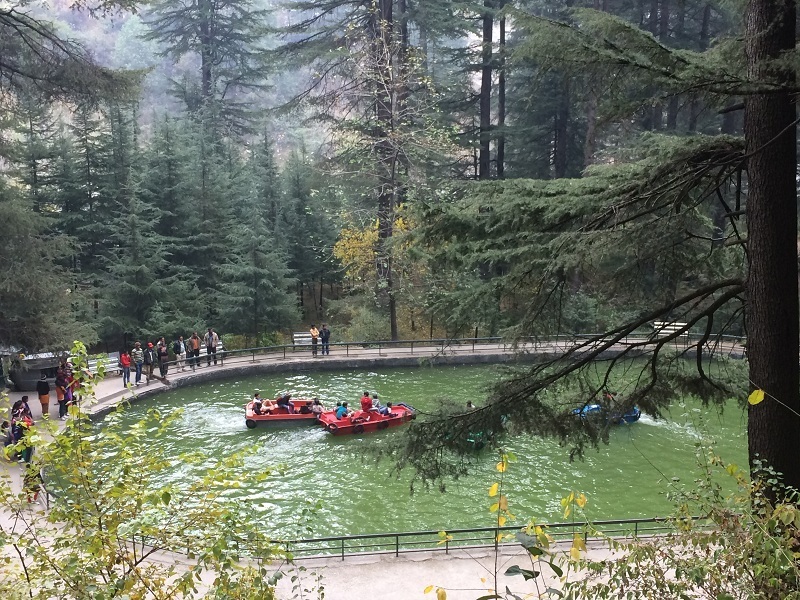
11. Himalayan Nyingmapa Buddhist Temple : Himalayan Nyingmapa Gompa is a Buddhist monastery located in Manali and one of the most famous monasteries situated in north India. Its religious significance is highly important for devotees, but tourists are also drawn for its architectural beauty and tranquillity in the environment. The most prominent feature of Himalaya Nyingmapa Buddhist Temple is the enormous statue or idol of Sakyamuni in a sitting or meditative posture.
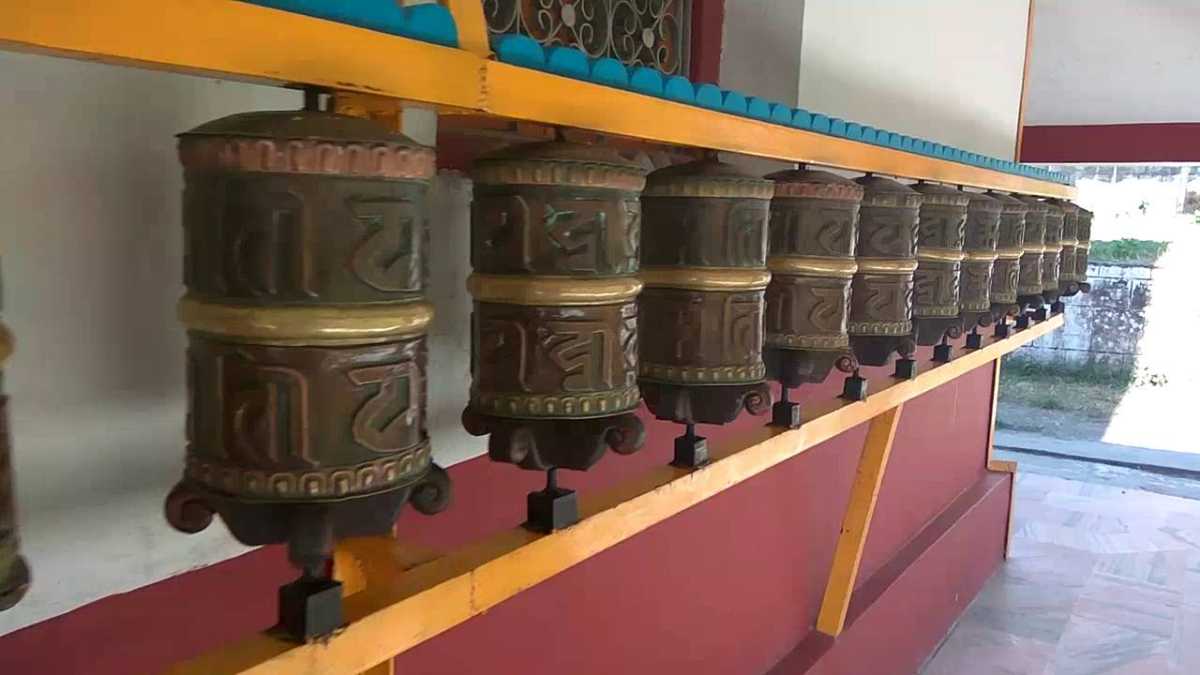
12. Vashisht Hot Water Springs and Temple: At a distance of 3.5 km from Manali Bus Stand, Vashist Temple in Manali is dedicated to sage Vashisht, the Kula guru of Lord Rama in the village Vashisht across the River Beas. It is among the most famous places to visit in Manali. The village of Vashisht was named after Rishi Vashisht one of the seven sages of Hindu. According to the legend, Rishi Vashisht was left depressed on finding out that his children had been killed by Vishwamitra. Rishi Vashisht tried to commit suicide by jumping into a river but the river refused to kill him. He then started a new life in the village here. The river which took the rishi to the village was named Vipasha, meaning freedom from bondage. The Vipasha River is now known as the Beas River.
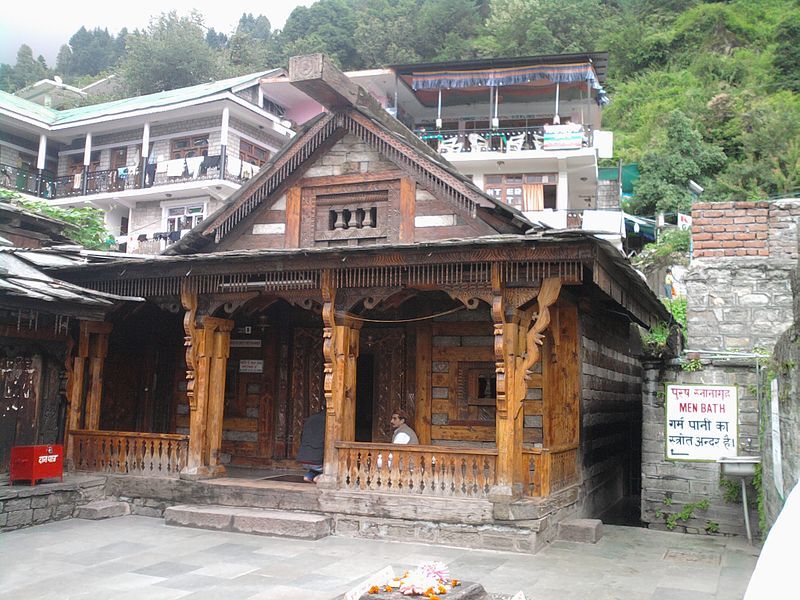
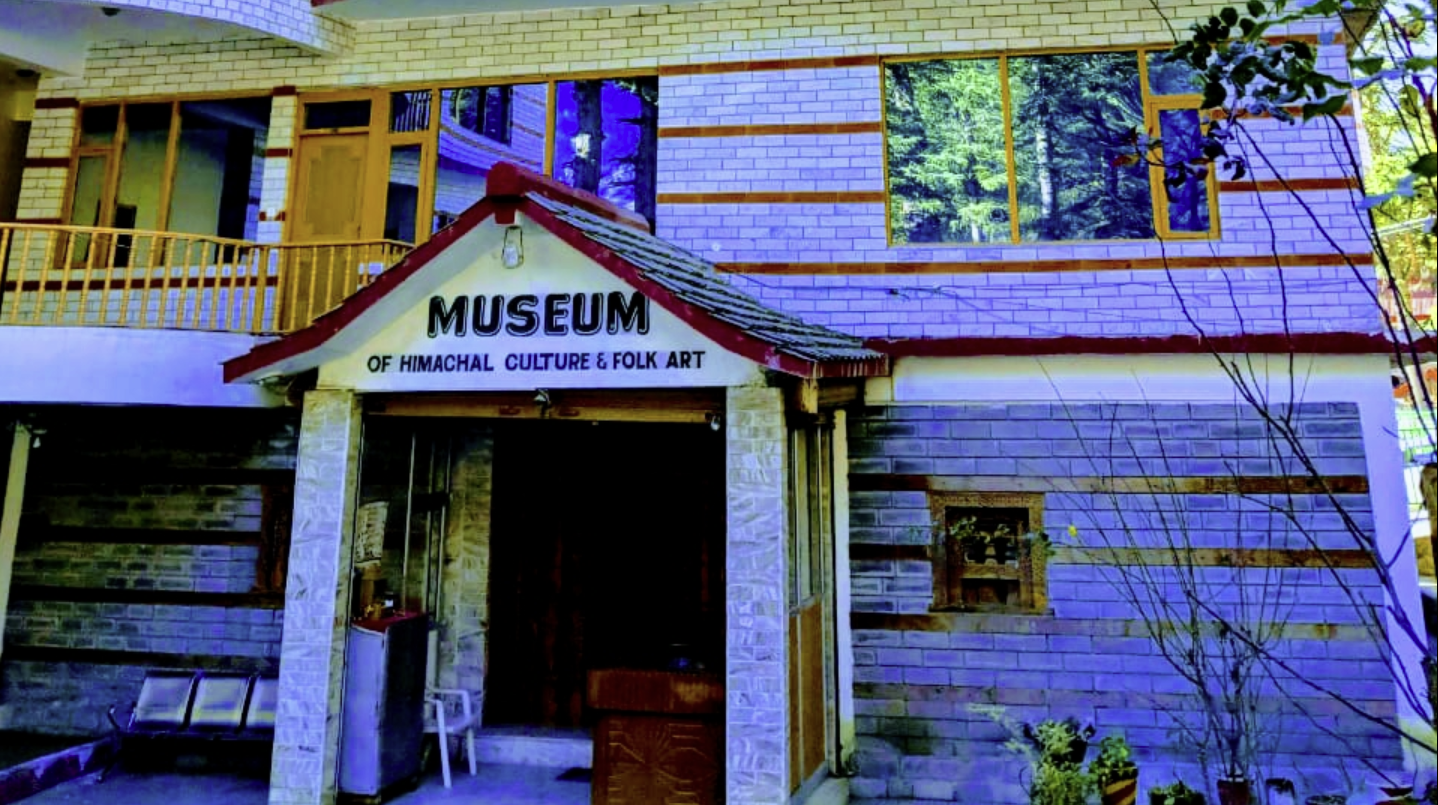
13. Museum of Himachal Culture and Folk Art: Small museum showcasing Himachal heritage with various traditional objects & building models.
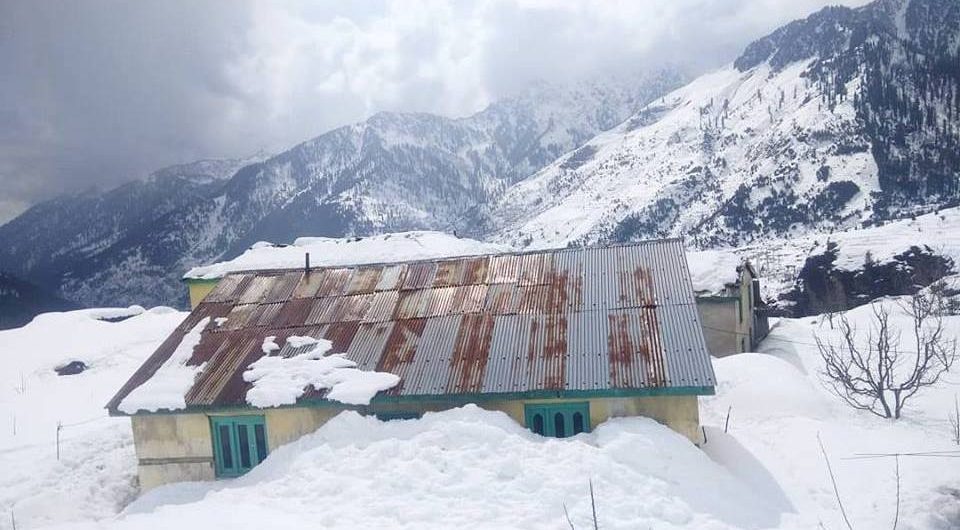
14. Kothi : Kothi is an awe-inspiring destination, which is located at the foothills of Rohtang Pass, approximately 12 kilometers from Manali at an altitude of 2500 meters above sea level. This splendid village offers a magnificent view of snow capped mountains and glaciers and of the Beas River that flows through a very deep and narrow gorge at this point. Kothi is a perfect place for camping if one is planning to climb the Rohtang Pass valley on foot. The majestic locations of Kothi have been featured in many Bollywood movies and a lot of poets, writers, and painters have visited this beautiful sight to soak themselves in the magic of nature.
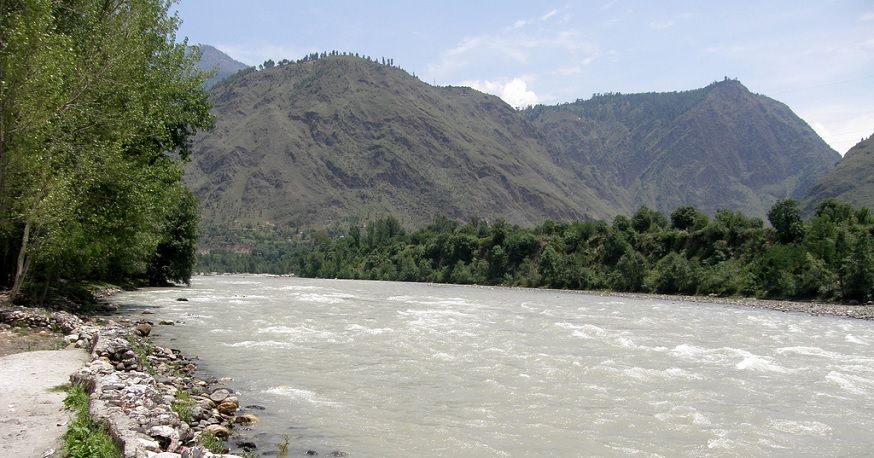
15. Beas River : The Beas River is a river in north India. The river rises in the Himalayas in central Himachal Pradesh, India, and flows for some 470 kilometres to the Sutlej River in the Indian state of Punjab. Its total length is 470 kilometres and its drainage basin is 20,303 square kilometres large
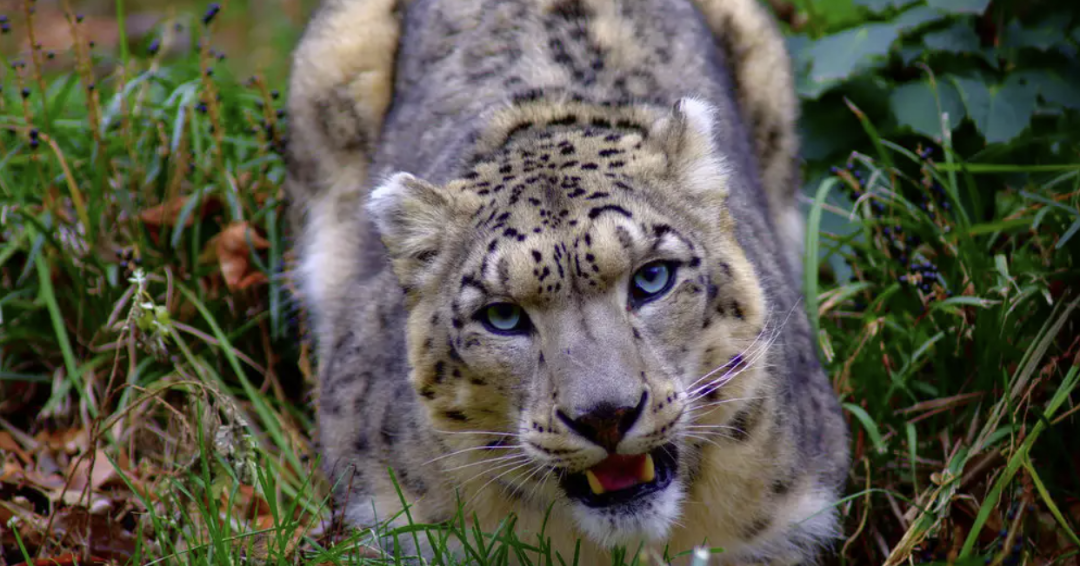
16. Great Himalayan National Park : The Great Himalayan National Park, is one of India's national parks, is located in Kullu region in the state of Himachal Pradesh. The park was established in 1984 and is spread over an area of 1171 km² at an altitude of between 1500 and 6000 m.
17. Gulaba : If you cannot go to Rohtang Pass due to heavy snow, the next best alternative is to go to Gulaba. Located 16 km from Manali, Gulaba is a picturesque village, with towering snow-covered mountain peaks, lush green meadows, and the gurgling Beas River. Gulaba is a haven for adventure sports like skiing, paragliding, playing in the snow, and other snow activities. It is less crowded than Rohtang and Solang Valley, which makes it even more attractive to tourists.
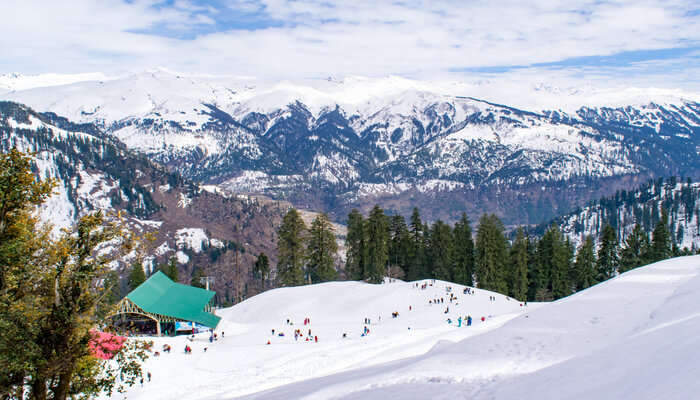
18. Rahala Falls : Located 16 km from Manali, Rahala Falls comes on the road to Rohtang Pass. Waterfalls from the top of a ridge and is believed to be a result of melting glaciers. The scenic beauty of the place is marvelous, with thick birch and deodar forests and snow-capped mountains surrounding the falls. The cold water and the earthy fragrances in the air are irresistible for tourists. The tranquil ambiance of this place makes it perfect for picnics and enjoying the scenery of this site.
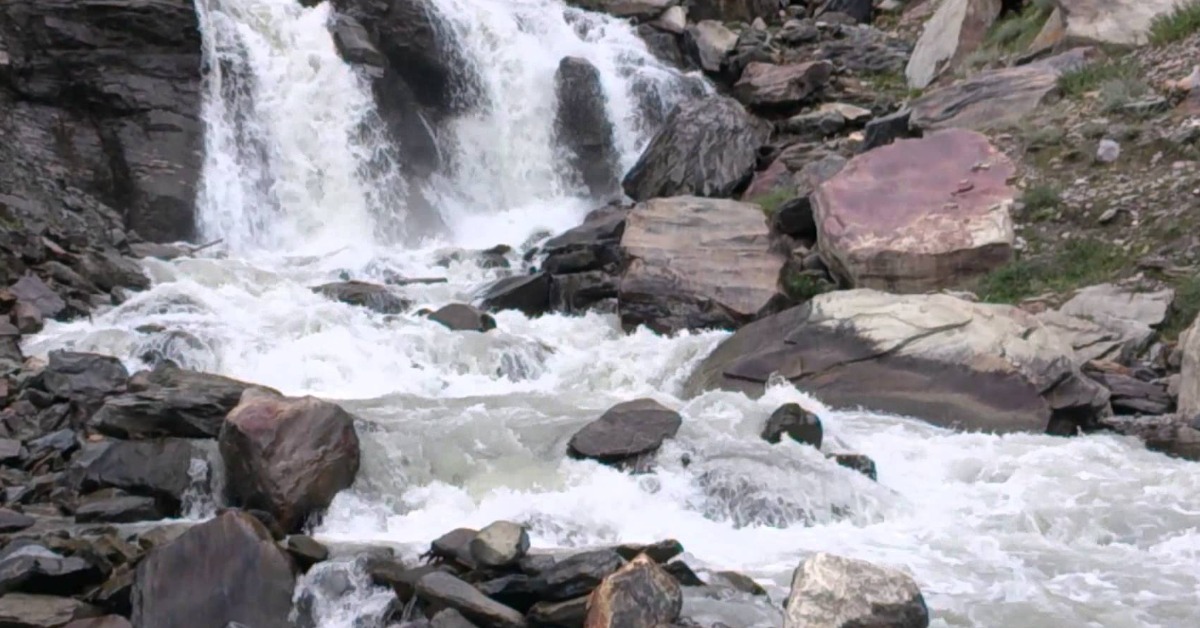
19. Naggar Castle : Naggar Castle is a medieval castle, located in Kullu, Himachal Pradesh, India. Built by Raja Sidh Singh of Kullu in around 1460 A.D, it was taken over to Himachal Pradesh Tourism Development Corporation, to run as a heritage hotel, since 1978.
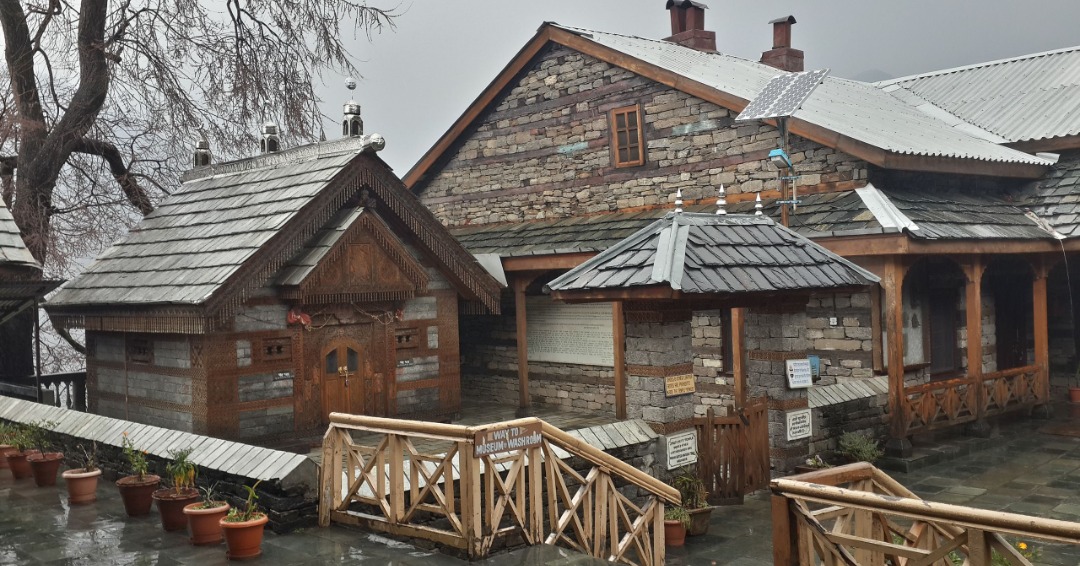
20. Rohtang La Pass : The wondrous beauty of Rohtang Pass ranks among the most beautiful places in India. Situated 51 km from Manali, Rohtang Pass is a high altitude mountain pass, at an elevation of 13054 ft above sea level. The pass is the gateway to the twin valleys of Lahaul and Spiti, and for those going to Leh Ladakh. The picturesque landscape of frozen glaciers and snow-capped mountains attracts lakhs of tourists to this place. It’s a paradise for adventure sports like paragliding, skiing, skating, snow-scooter rides, etc. The pass opens for tourists from May to November.
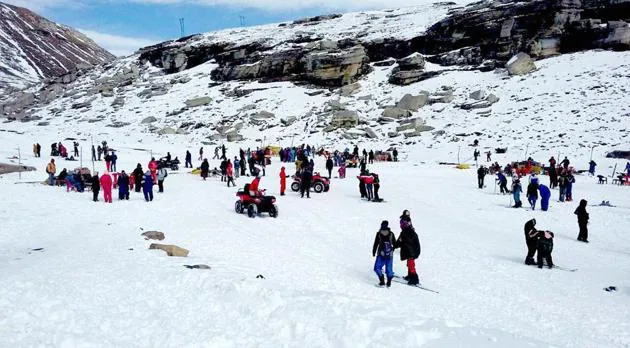
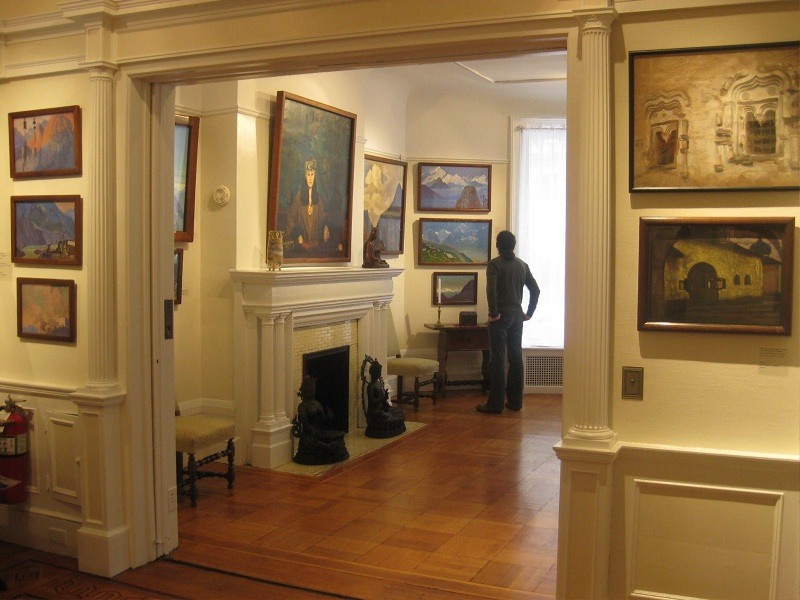
21. Nicholas Roerich Art Gallery and Museum : At a distance of 21.5 km from Manali Bus Stand, 23.5 km from Kullu, 1.5 km from Naggar Castle, The Nicholas Roerich Museum is one of the prominent museums in and around Manali.
Nicholas Roerich is a Russian artist arrived in the Himalayas after the revolution of 1917, where he died in the year 1947. He married to Helena Roerich and famous Indian actor Devika Rani is his daughter in law.
The Nicholas Roerich art gallery was founded in 1962 by Svyetoslav Roerich, son of Nicholas Roerich. The building that now houses the gallery once served as the residence of Nicholas Roerich. Himachal Pradesh Government and Russian Government have formed a trust to run this art gallery as the Roerich Heritage Museum.
Paintings of Kullu, Spiti and Lahaul made by the painter have been housed in the ground floor of the gallery. A great number of his works are preserved in museums all over the world. Most of the paintings show the beauty of ice covered valleys and peaks during early hours of evening.
The artist's private rooms have been preserved in the upper floor of the museum. There are also a few photos of Nicholas on display here, such as the one in which he is posing in his front Lawn with Jawaharlal Nehru. The original work of Roerich on the Himalayas, along with his quotations and words of wisdom as well as those of the visitors and admirers of the gallery, have also been put on display here.
Timings: 9 am to 5 pm on all days except Monday.
Extended Planning Notes for Indian Travelers
This supplement deepens practical context for readers working through “Manali : 21 Places to see in Manali” with Manali on the itinerary. Use it alongside the main sections above—layer dates, budgets, and health notes that match your household, not a generic checklist.
1. Seasonality and demand cycles. Peak travel windows for Manali often overlap with Indian school vacations and December holidays—prices spike and refundable inventory vanishes early. Shoulder months can trim costs but introduce weather trade-offs; verify micro-climate data instead of relying on generic “best time” lists. Major festivals may close museums or inflate hotel minimum stays, so sync your wish list with official event calendars before locking payments.
2. Budgeting without hidden shocks. Align the ideas in “Manali : 21 Places to see in Manali” with line-item budgets: split unavoidable costs—international flights, visas, cruise or park fees—from optional upgrades like private transfers. Ask whether quotes bundle taxes and service charges. Small percentage differences multiply across week-long itineraries, especially when forex moves between quote day and departure week.
3. Ground movement and jet lag. Route airport pickups through licensed operators when luggage or language barriers matter; confirm terminal numbers because multi-terminal hubs punish vague meeting points. After long hauls into Manali, schedule light activities on day one so sleep debt does not compromise safety on boats, cliffs, or motorbike hires.
4. Food safety and dietary clarity. Busy stalls often indicate fresh turnover. Repeat vegetarian or allergy needs because sauces can hide fish sauce, shrimp paste, or nuts. Carry sealed snacks for remote stretches where options shrink unexpectedly—kids especially appreciate predictable backups.
5. Documents, insurance, backups. Store PDFs of passports, visas, bookings, and travel insurance offline on two devices. Share an abridged itinerary with family including local emergency numbers. Photograph checked bags—airlines resolve claims faster with visual proof when tags misprint during tight connections touching Manali.
6. Ethical choices on the ground. Prefer animal experiences with transparent welfare standards, pay fair tips when service norms expect them, and ask people before portraits in markets or villages. Heavy-footprint drones near heritage districts may break local rules—check permits rather than assuming global norms.
7. Health preparedness. Travel clinics advise vaccines or malaria prophylaxis per itinerary—not every traveler needs the same set. Pack prescriptions in original packaging with doctor notes. Carry motion-sickness relief before speedboats or mountain switchbacks, not after symptoms spike.
8. Gear that survives humidity. Quick-dry fabrics, compact rain shells, and breathable shoes outperform stiff sneakers on cobblestones and beaches near Manali. Power strips help when outlets hide behind hotel furniture; portable batteries matter when shooting sunrise itineraries.
9. Money and connectivity. Split cards across bags; notify banks of travel dates to reduce freezes. Offline maps and downloaded translations rescue taxi negotiations when data stalls. QR payments spread rapidly—still keep modest cash for vendors without terminals.
10. Insurance literacy. Read exclusions for trekking heights, diving depths, or alcohol-related incidents before adrenaline bookings. Missed-connection riders matter when domestic hops hinge on weather-prone ferries or trains tied to your Manali segment.
11. Families and mixed pacing. Agree on non-negotiable sights versus optional add-ons before deposits bind everyone. Teens may crave autonomy blocks; elders may prefer shorter walks and midday rests—schedule accordingly so resentment does not surface mid-trip.
12. Sustainable pacing. Leave whitespace in the itinerary: unscheduled hours often yield the conversations and neighborhood finds that define a trip more than trophy photos. Carry reusable bottles when filtration stations exist; refuse single-use plastics when practical.
13. Shopping and bargaining. Compare prices across three vendors when buying handicrafts; understand return policies for tailoring or jewelry. Customs rules on wood, shells, seeds, or religious artifacts deserve advance research to avoid confiscation grief at home borders.
14. Photography etiquette. Tripods clog narrow lanes—shoot handheld or arrive early. Flash can disturb worshippers; silence phone notifications in temples and libraries. Respect “no photography” signage even when crowds ignore it—enforcement sometimes targets tourists selectively.
Related guides on Maya Travels
Browse more destination ideas from Maya Travels—perfect for stacking routes, comparing budgets, and planning multi-city trips from India.
- Places to Visit in Dubai — Dubai is a city and emirate in the United Arab Emirates known for luxury shopping, ultramodern architecture, a…
- Places to Visit in Maldives — Maldives, officially the Republic of Maldives, is a small archipelagic state in Indian Subcontinent situated i…
- Places to Visit in Thailand — Thailand is a Southeast Asian country. It's known for tropical beaches, opulent royal palaces, ancient ruins, …
- Places to visit in Rajasthan — Rajasthan is a state in northern India. It covers 342,239 square kilometers or 10.4 percent of India's total g…
- Places to visit in Goa — Goa is a state in western India with coastlines stretching along the Arabian Sea. Its long history as a Portug…
See every article on our travel blog homepage, or explore curated packages on Destinations when you are ready to turn research into bookings.
